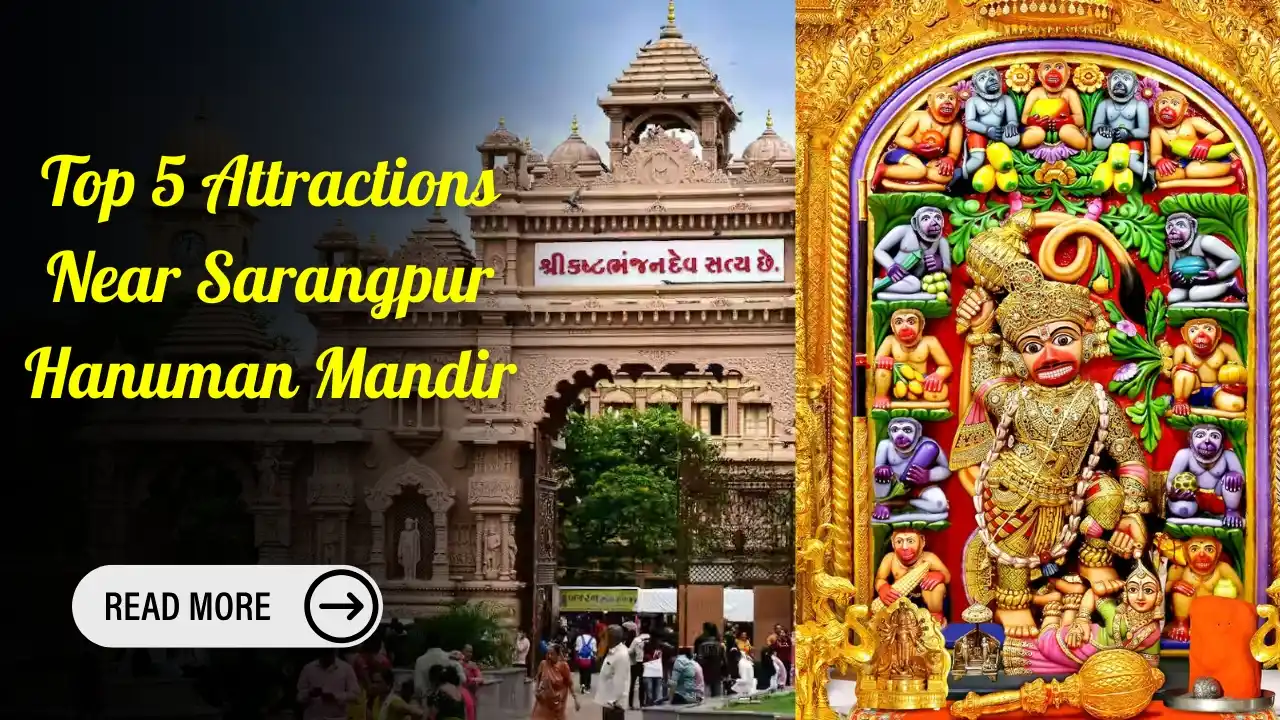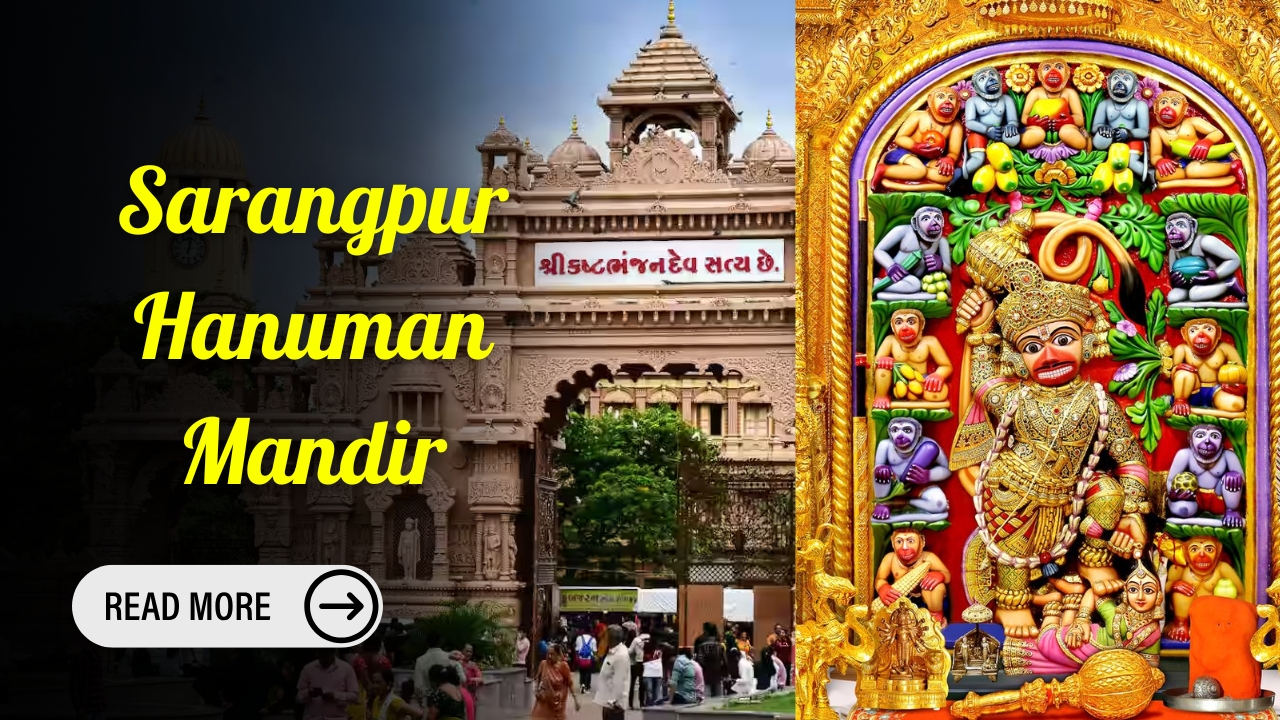
The Sarangpur Hanuman Mandir, dedicated to Kashtbhanjan Dev Hanumanji, is not only a place of deep faith but also a masterpiece of divine architecture. Nestled in the quiet village of Sarangpur in Botad district, Gujarat, this temple stands as a perfect blend of ancient spiritual design and modern renovation.
- 11. The Historical Foundation – A Legacy Built by Faith
- 22. Temple Layout – Symbolism in Structure
- 33. The Idol – The Heart of the Architecture
- 44. Exterior Architecture – A Blend of Heritage and Art
- 55. Modern Renovations – Tradition Meets Technology
- 66. The Atmosphere – Architecture That Breathes Calmness
- 77. Artistic Elements – Where Craft Meets Devotion
- 88. Expansion for the Future
- 99. Eco-Friendly Architecture
- 1010. The Divine Glow – When Architecture Meets Energy
- 11Conclusion – A Living Symbol of Divine Design
Over the years, the temple has evolved beautifully — preserving its original sacred essence while embracing modern facilities for the comfort and safety of devotees. Every corner of the temple reflects devotion, discipline, and design perfection.
This article takes you on a complete tour of the architectural beauty and modern developments that make Sarangpur Hanuman Mandir one of Gujarat’s most visually stunning and spiritually uplifting temples.
1. The Historical Foundation – A Legacy Built by Faith
The architectural journey of the Sarangpur Hanuman Mandir began in the 19th century, when Sadguru Gopalanand Swami, a saint of the Swaminarayan Sampraday (Vadtal Gadi), installed the idol of Kashtbhanjan Dev Hanumanji.
According to temple tradition, when Gopalanand Swami performed the pran-pratishtha (idol installation ceremony), the idol miraculously moved — symbolizing that divine energy had entered it.
The temple was designed following traditional Swaminarayan architectural principles, which focus on balance, purity, and divine geometry. The core structure represents “Mandir Shastra”, the ancient Hindu science of sacred architecture.
2. Temple Layout – Symbolism in Structure
The Sarangpur Hanuman Mandir follows a traditional east-facing layout, designed so that the first rays of the morning sun fall directly on Hanumanji’s idol — symbolizing enlightenment and new beginnings.
The temple complex includes several beautifully designed sections:
| Area | Architectural Feature |
|---|---|
| Main Sanctum (Garbhagriha) | Houses the powerful idol of Kashtbhanjan Dev Hanumanji; carved from a single stone; surrounded by gold-plated ornaments. |
| Darshan Hall | Large, high-ceiling prayer hall with white marble flooring and intricate motifs. |
| Mandap (Prayer Pavilion) | Wide open space with decorated pillars and arches inspired by Swaminarayan temples of Gujarat. |
| Gaushala (Cow Shelter) | A beautifully maintained open courtyard with red-terracotta flooring and shade domes. |
| Bhojnalaya (Dining Hall) | Built with granite flooring, designed for natural ventilation and large crowds. |
| Yatri Niwas & Dharamshala | Modern guesthouses designed in traditional temple style with arches and carvings. |
Each section flows harmoniously — making navigation easy for visitors while maintaining a spiritual rhythm across the complex.
3. The Idol – The Heart of the Architecture
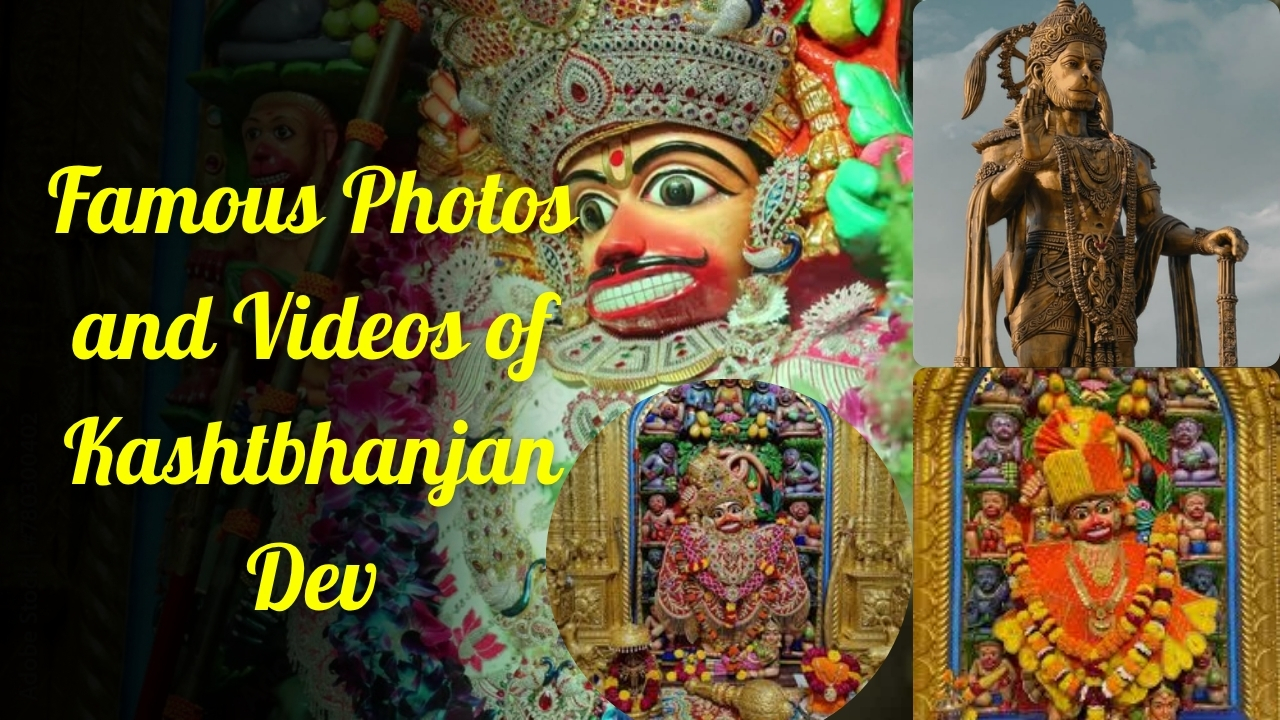
The idol of Kashtbhanjan Dev Hanumanji is the temple’s most sacred and visually striking element.
Features of the Idol:
- Height: Approximately 6 feet tall
- Material: Single black stone, polished to a deep shine
- Posture: Hanumanji standing powerfully, crushing demons under His feet — symbolizing victory of truth over evil.
- Expression: Fierce yet compassionate; eyes appear lifelike and radiant under temple lighting.
- Decoration: Golden ornaments, flower garlands, and red-orange cloth (angvastra) change daily as per ritual tradition.
The main sanctum is lit with soft yellow and orange light that enhances the divine glow of the idol, creating a spiritual aura unmatched by any modern monument.
4. Exterior Architecture – A Blend of Heritage and Art
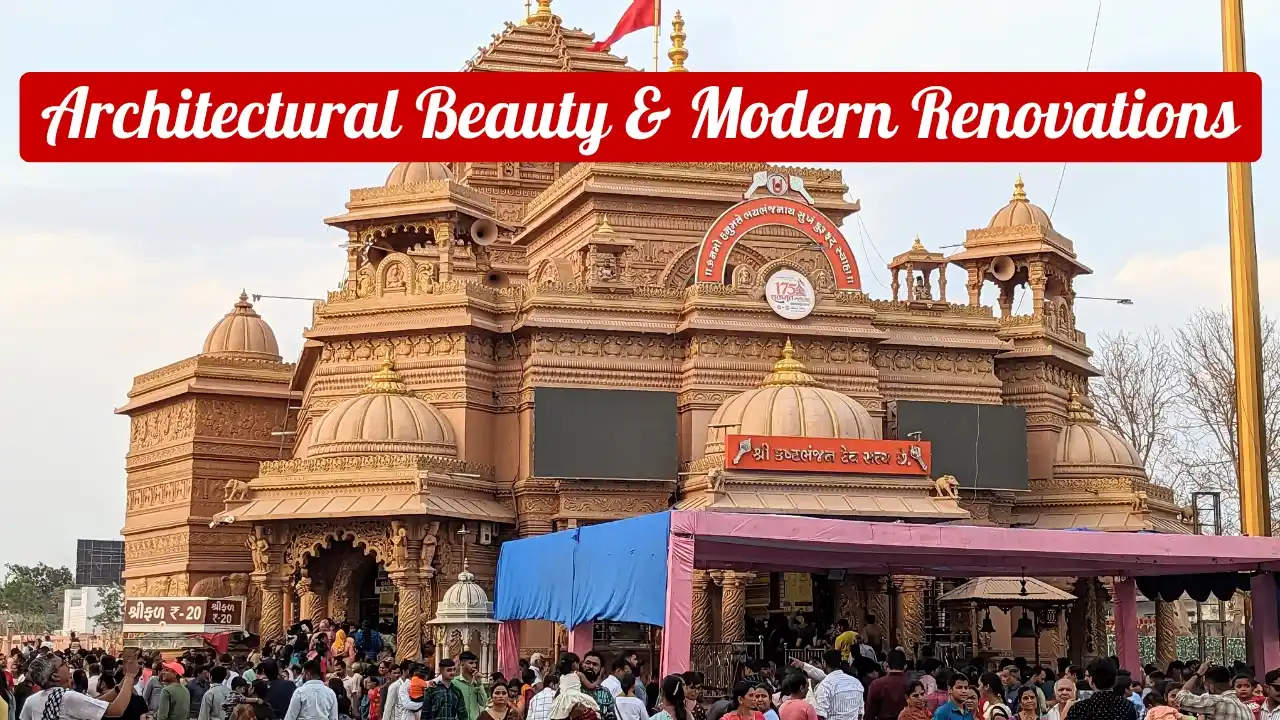
The outer structure of the Sarangpur Hanuman Mandir is an excellent example of Gujarati temple craftsmanship.
- The domes (shikhars) are carved in traditional temple style, with detailed kalash tops.
- The walls and pillars feature motifs of lotus flowers, bells, and holy symbols of the Swaminarayan sect.
- The entrance gate is built using pink sandstone, symbolizing purity and divine welcome.
- Carved arches and engraved panels depict scenes from the Ramayana and Hanuman’s life.
The color scheme — a mix of saffron, white, and gold — represents courage, peace, and devotion.
At sunrise and sunset, when sunlight hits the domes, the temple glows like molten gold — a sight that leaves every visitor silent in awe.
5. Modern Renovations – Tradition Meets Technology
While preserving its traditional charm, the temple management has implemented a series of modern upgrades to improve comfort, safety, and accessibility for the growing number of devotees.
Recent Developments (2020–2025):
- Marble Flooring: Replaced older stone floors for a cleaner, cooler walking surface.
- LED Lighting System: Warm, eco-friendly lights now enhance the idol and pathways.
- CCTV and Security Systems: 24×7 surveillance for crowd safety.
- Digital Darshan Screens: Installed across temple areas to help devotees view Aarti from all corners.
- Online Booking & Donation Portals: https://salangpurhanumanji.org/ now offers Yatri Niwas and Utara bookings.
- Sound System Upgrade: Balanced sound for Hanuman Chalisa chanting throughout the campus.
- EV Charging Stations: Added in temple parking area for eco-conscious travelers.
- Solar Power Installation: To reduce electricity usage and maintain sustainability.
These updates have made the temple one of the most efficiently managed spiritual destinations in India — blending devotion with digital convenience.
6. The Atmosphere – Architecture That Breathes Calmness
What makes the Sarangpur temple unique is how its architecture interacts with nature and human emotion.
- The open courtyard allows fresh air and natural light to flow throughout the temple.
- The high ceilings of the prayer hall help in sound resonance during chanting — making the Hanuman Chalisa feel more powerful.
- The layout symmetry keeps the environment balanced and reduces crowd pressure.
- Gardens and trees around the temple cool the air naturally, making it pleasant even during summer.
The design doesn’t just appeal to the eyes — it soothes the mind. Every part of the temple invites visitors to pause, breathe, and feel closer to divinity.
7. Artistic Elements – Where Craft Meets Devotion
The temple is filled with small details that reflect devotion through art:
- Pillar Carvings: Depict Hanuman’s devotion to Lord Rama, carved in traditional Gujarati marble style.
- Ceiling Artwork: Features paintings of Hanuman flying with the Sanjeevani mountain, glowing under soft lighting.
- Wall Inscriptions: Quotes from Hanuman Chalisa and Ramcharitmanas carved in Gujarati and Sanskrit.
- Sculpted Bells and Garlands: Decorate entrance domes, symbolizing purity of sound and offering.
These elements make the temple not only sacred but also an artistic heritage site — admired by architects and pilgrims alike.
8. Expansion for the Future
To manage the rising number of devotees, especially on Saturdays and Hanuman Jayanti, the temple trust has started new expansion projects:
- New Meditation Hall: A peaceful air-conditioned hall for chanting and yoga sessions.
- Multi-level Parking Area: Under construction to accommodate larger pilgrim groups.
- Cultural Museum: Planned to showcase the history, miracles, and legacy of Sarangpur Hanuman Mandir.
- Digital Kiosk Center: Will help visitors with directions, room booking, and event schedules.
All renovations are designed to maintain harmony with the original temple’s aesthetics and energy.
9. Eco-Friendly Architecture
In recent years, the temple has adopted several eco-conscious features:
- Rainwater Harvesting System to recharge groundwater.
- Solar-Powered Lamps in gardens and parking areas.
- Waste Recycling Units for Bhojnalaya and Gaushala.
- Plastic-Free Campus: Visitors are encouraged to use cloth bags and reusable bottles.
These initiatives make Sarangpur not only spiritually clean but also environmentally sustainable — a model for other pilgrimage sites.
10. The Divine Glow – When Architecture Meets Energy
Every evening, as the Sandhya Aarti (6:30 PM) begins, the temple transforms into a palace of light and devotion.
Hundreds of diyas (oil lamps) are lit across the temple, reflecting off the white marble floors and golden idol. The chanting of “Jai Hanuman” echoes in perfect rhythm, and the whole temple seems to vibrate with divine energy.
It is in that moment that architecture, art, and devotion merge — creating an experience beyond words.
“This temple is not just built of stone and marble; it’s built of faith.”
Conclusion – A Living Symbol of Divine Design
The Sarangpur Hanuman Mandir is more than a historic monument — it’s a living creation where architecture breathes spirituality. From its ancient stone carvings to its modern digital renovations, every part of the temple tells the same story:
Faith evolves, but devotion never changes.
The temple stands as a perfect example of how tradition and technology can coexist — preserving sacred values while serving the modern devotee.