
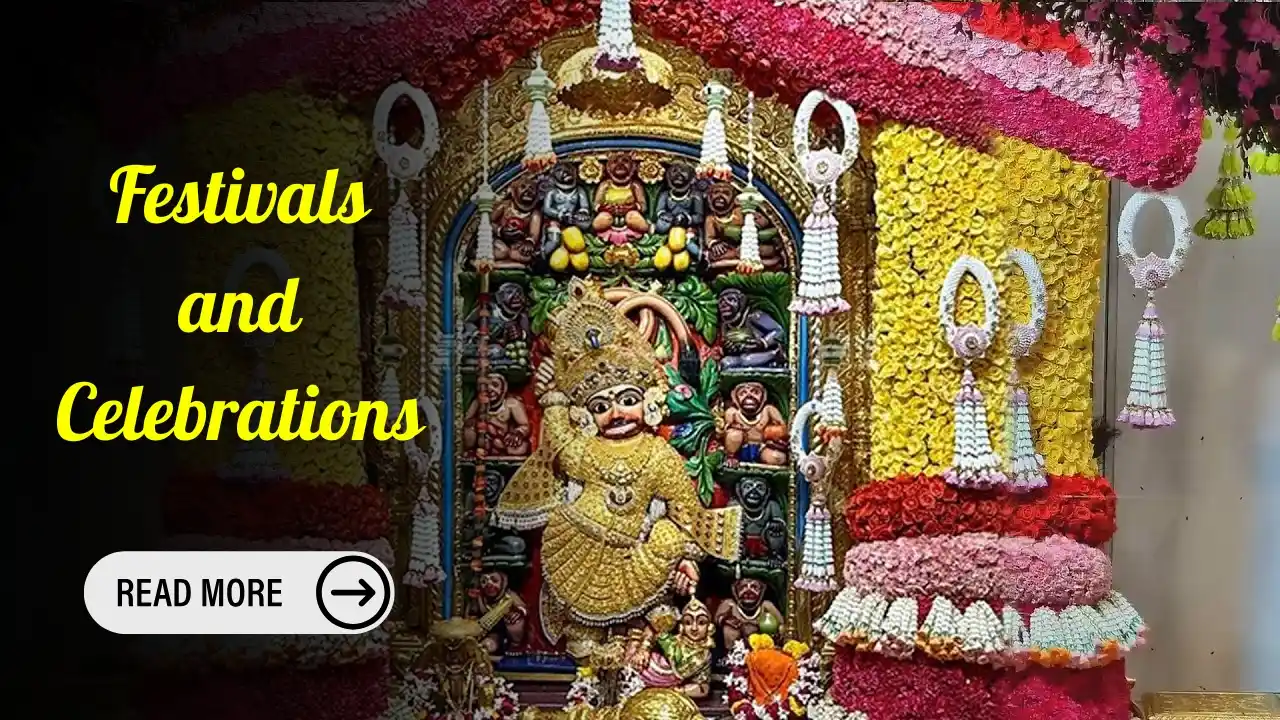
The Sarangpur Hanuman Mandir — home of Kashtbhanjan Dev Hanumanji — is one of the most spiritually powerful temples in India. Beyond daily darshan and rituals, the temple is best known for its grand festivals and devotional celebrations held throughout the year.
- 11. The Spirit of Festivals at Sarangpur
- 22. Hanuman Jayanti – The Grand Festival of Kashtbhanjan Dev
- 3Special Rituals During Hanuman Jayanti
- 4How to Participate in Hanuman Jayanti (For 2025)
- 53. Sundarkand Path – The Devotional Reading of Hanuman’s Glory
- 64. Other Annual Festivals Celebrated
- 75. Decorations & Atmosphere During Festivals
- 86. Annadan & Seva Opportunities During Festivals
- 97. Important Tips for Visitors During Festivals
- 108. The Spiritual Message of Festivals at Sarangpur
- 119. Yearly Calendar Snapshot (2025)
- 12Conclusion
Among these, Hanuman Jayanti and the Sundarkand Path are the most important and attract lakhs of devotees from across Gujarat, Maharashtra, Rajasthan, and even abroad.
This complete guide explains each major festival, its traditions, special rituals, and how devotees can participate or book seva during festival days.
1. The Spirit of Festivals at Sarangpur
Every festival in Sarangpur is not just a religious event — it’s a living expression of faith and unity.
The temple campus lights up with chants of “Jai Hanuman!”, the fragrance of incense fills the air, and thousands of devotees gather to celebrate strength, devotion, and peace under Hanumanji’s blessings.
“In Sarangpur, festivals are not celebrated with noise — they are celebrated with surrender.”
2. Hanuman Jayanti – The Grand Festival of Kashtbhanjan Dev
About the Festival
- Hanuman Jayanti marks the birth of Lord Hanuman, the embodiment of strength, courage, and selfless service.
- At Sarangpur Hanuman Mandir, it is celebrated with extraordinary devotion, as it is believed that Hanumanji Himself resides here in His most active form — Kashtbhanjan Dev, the remover of sorrows.
- The celebration takes place on the full moon day (Purnima) of the Chaitra month (March–April).
Main Highlights of Hanuman Jayanti at Sarangpur (2025)
| Event | Time / Description |
|---|---|
| Mangala Aarti | 4:00 AM – Special morning prayer to wake Hanumanji. |
| Maha Abhishek | 6:00 AM – Idol bathed with milk, honey, ghee, and holy water; accompanied by Vedic chanting. |
| Hanuman Jayanti Shobha Yatra | 9:00 AM – Procession around the temple campus with flags, drums, and devotees chanting “Bajrang Bali Ki Jai!” |
| Sundarkand Path | 10:00 AM – Recitation of Hanuman’s glory from the Ramcharitmanas (Tulsidas). |
| Aarti & Bhajan Sandhya | 6:30 PM – Evening aarti followed by devotional music and group chanting. |
| Annadan & Prasad | All Day – Free meals and sweets distributed to all visitors. |
The temple premises are decorated with flowers, saffron flags, and diyas. The air vibrates with chants of Hanuman Chalisa, repeated continuously from dawn to dusk.
“On Hanuman Jayanti, even the stones in Sarangpur seem to echo Hanumanji’s name.”
Special Rituals During Hanuman Jayanti
- 108 Deep Aarti: Devotees offer lamps symbolizing inner light and surrender.
- Maha Abhishek Seva: Conducted by priests using five sacred elements — milk, honey, curd, ghee, and sugar.
- Akhand Hanuman Chalisa Path: Continuous chanting of 108 Hanuman Chalisas throughout the day.
- Rath Yatra (Chariot Procession): The temple carries a decorated idol of Hanumanji across Sarangpur village with devotees dancing and singing bhajans.
- Annadan Seva: Lakhs of devotees are fed at the Bhojnalaya; many donate in their family’s name for Annadan.
How to Participate in Hanuman Jayanti (For 2025)
- VIP Darshan Pass: Available via online booking one week before the festival.
- Abhishek Seva Booking: ₹1,001 per devotee (with official receipt).
- Annadan Donation: ₹5,001 and above.
- Volunteer Registration: Available at Seva Bhavan three days before the festival.
Tip: Arrive one day early (Friday evening) to find accommodation, as rooms fill quickly.
3. Sundarkand Path – The Devotional Reading of Hanuman’s Glory
What is Sundarkand Path?
- Sundarkand is the fifth chapter of the Ramcharitmanas, written by Goswami Tulsidas.
- It narrates Hanumanji’s journey to Lanka, his meeting with Sita Mata, and his victory over evil — symbolizing devotion, courage, and faith in God.
- At Sarangpur, this path is recited regularly, especially on Tuesdays, Saturdays, and full moon days, and is considered a major form of Hanuman Upasana (worship).
Sundarkand Path Schedule at Sarangpur
| Day | Timing | Details |
|---|---|---|
| Every Tuesday | 8:30 AM – 10:30 AM | Group recitation in the prayer hall. |
| Every Saturday | 10:00 AM – 12:00 PM | Main weekly Sundarkand Path followed by Aarti. |
| Full Moon (Purnima) | 10:00 AM – 3:00 PM | Maha Path performed with 108 devotees chanting together. |
Ritual Flow of Sundarkand Path
- Ganesh Vandana – Opening prayer for blessings.
- Hanuman Chalisa – Recited before beginning the main path.
- Sundarkand Recitation – Priests lead group chanting while devotees follow from printed booklets.
- Aarti & Bhajan – Concludes with Jai Hanuman Gyan Gun Sagar aarti.
- Prasad Distribution – Sweet offerings like Mohanthal, Ladoo, and Churma distributed to all.
Participation Details
- Devotees can sit in group chanting (no prior registration needed for regular days).
- For special days (Hanuman Jayanti / Purnima), devotees can book a Sundarkand Path Seva:
- Donation: ₹501 per devotee or ₹1,001 per family.
- Includes: Reserved seating, Prasad packet, and name chanting during path.
“Reading Sundarkand in Sarangpur feels like reading it in Hanumanji’s own presence.”
4. Other Annual Festivals Celebrated
Besides Hanuman Jayanti and Sundarkand Path, several other important festivals are celebrated with devotion and discipline at Sarangpur Mandir:
| Festival | Month (Approx.) | Highlights |
|---|---|---|
| Makar Sankranti | January | Kite flying, special aarti, sweet Prasad with sesame & jaggery. |
| Maha Shivratri | February | Devotees offer prayers to Lord Shiva along with Hanumanji. |
| Ram Navami | March–April | Joint celebration of Lord Ram & Hanuman; Sundarkand Path performed. |
| Hanuman Jayanti | March–April | Main annual event with massive crowd & Akhand Hanuman Chalisa. |
| Guru Purnima | July | Dedication to Gopalanand Swami; bhajan and seva events. |
| Janmashtami | August | Night-long bhajans and symbolic Dahi Handi celebration. |
| Navratri | October | Traditional Garba dance, temple decorated with lamps. |
| Diwali & New Year | October–November | Special Aarti, lighting of 10,000 diyas, and Maha Prasad. |
| Amavasya Puja | Monthly (New Moon) | Extra chanting and Utara rituals for mental peace. |
5. Decorations & Atmosphere During Festivals
During major events, the temple transforms into a spiritual fairground of devotion.
- The entire campus is decorated with flowers, flags, and lights.
- Devotional music and bhajans play throughout the day.
- Volunteers (sevaks) distribute water, Prasad, and help manage the crowds.
- Free medical and help booths are set up for elderly pilgrims.
- The evenings end with the spectacular Sandhya Aarti — thousands of lamps glowing together as devotees chant “Jai Bajrang Bali!”
“When lamps glow in Sarangpur at dusk, it feels as if the stars have come down to join the Aarti.”
6. Annadan & Seva Opportunities During Festivals
During large festivals, thousands of pilgrims eat at the temple’s Bhojnalaya. Devotees can participate in Annadan Seva (food service) or Festival Donation Seva.
| Seva Name | Suggested Donation (₹) | Purpose |
|---|---|---|
| Hanuman Jayanti Annadan | ₹5,001 – ₹11,001 | Sponsor free meals during Jayanti. |
| Sundarkand Path Seva | ₹501 – ₹1,001 | Name included in group path & prayers. |
| Festival Deep Seva | ₹251 | Light 108 lamps during Aarti. |
| Flower Decoration Seva | ₹1,001 | Contribute to temple floral décor. |
| Prasad Seva | ₹501 | Sponsor sweet distribution for devotees. |
Every donor receives an official receipt and blessings certificate from the temple trust.
7. Important Tips for Visitors During Festivals
- Arrive early (preferably a day before) to avoid crowd delays.
- Carry water and light snacks; outside food inside temple is not permitted.
- Follow instructions from temple volunteers — they guide crowd movement.
- Keep mobile phones on silent inside temple premises.
- Wear modest, simple clothes suitable for prayer and large gatherings.
- Avoid plastic waste — use temple bins for disposal.
- Accommodation: Book rooms at Yatri Niwas 2–3 weeks in advance.
8. The Spiritual Message of Festivals at Sarangpur
Each celebration at Sarangpur is rooted in one timeless truth — Hanumanji is not just worshipped here; He is experienced here.
Every prayer, every bhajan, every offering echoes with the energy of strength, surrender, and service.
“At Sarangpur, festivals are not moments — they are lifetimes of devotion lived in a single day.”
9. Yearly Calendar Snapshot (2025)
| Month | Festival / Event | Key Activity |
|---|---|---|
| January | Makar Sankranti | Kite festival, Prasad Seva |
| February | Maha Shivratri | Combined Hanuman–Shiva worship |
| March–April | Hanuman Jayanti, Ram Navami | Main celebration with Sundarkand Path |
| May | Akhand Hanuman Chalisa Month | 24-hour continuous chanting |
| July | Guru Purnima | Dedication to saints and gurus |
| August | Janmashtami | Bhajan Night |
| October | Navratri | Garba, flower decoration |
| November | Diwali & New Year | 10,000 Deep Aarti |
| Monthly | Amavasya | Peace rituals and Utara Seva |
Conclusion
The Festivals and Celebrations at Sarangpur Hanuman Mandir are more than annual rituals — they are a journey of the heart.
From the mighty Hanuman Jayanti to the peaceful Sundarkand Path, every event brings devotees closer to the divine power of Kashtbhanjan Dev Hanumanji, who removes fear, sorrow, and darkness from all who come in faith.
“One visit during a festival in Sarangpur can fill a lifetime with peace.”


