
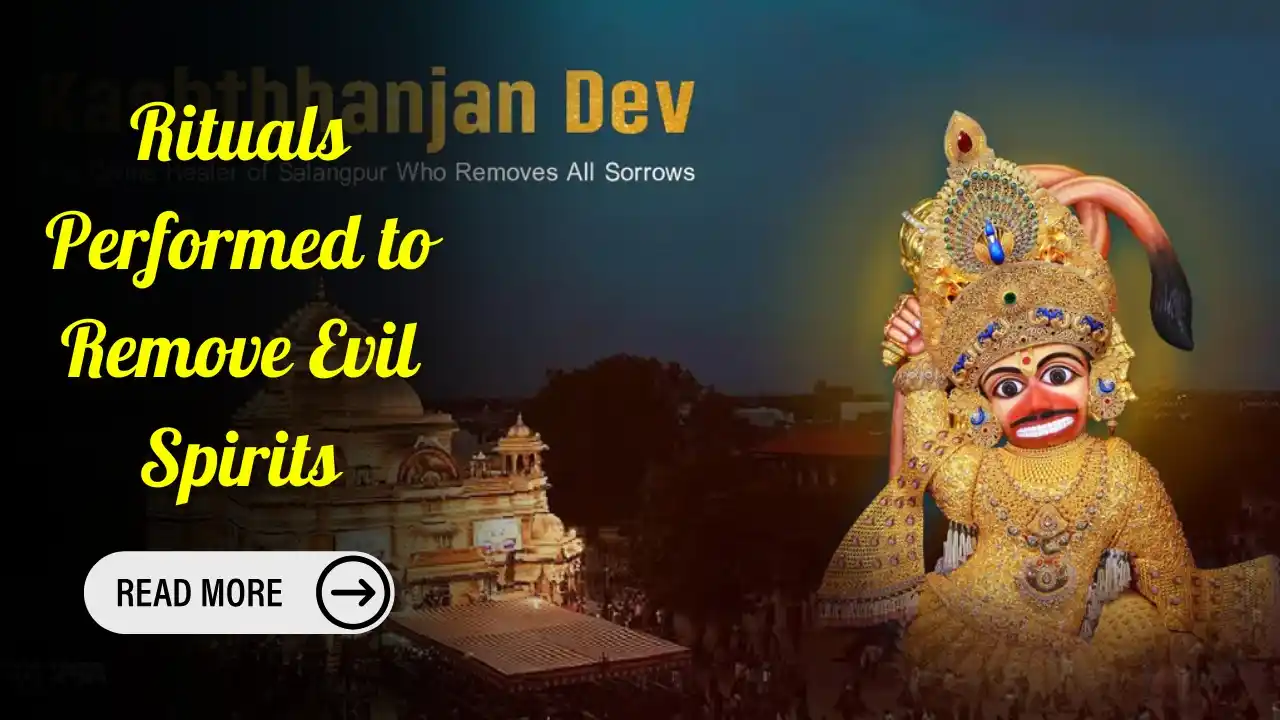
The Sarangpur Hanuman Mandir, also known as the Kashtbhanjan Dev Hanuman Temple, is world-famous for one powerful reason — it is believed that Lord Hanumanji here helps remove negative energies, evil influences, and mental distress.
- 1Belief Behind the Rituals
- 2The Main Ritual – “Utara” Ceremony
- 3When and Where the Ritual Happens
- 4How the Utara Ritual is Performed
- 5Common Items Used in the Ritual
- 6After the Ritual – What Devotees Experience
- 7Rules and Conduct During the Ritual
- 8Registration & Donation Details (Approx. 2025)
- 9Important Reminders for Devotees
- 10Hanuman Mantras for Self-Protection (Daily Chanting)
- 11Role of the Priests and Seva Trust
- 12Location of Ritual Area
- 13Devotee Testimonials
- 14Schedule Summary
- 15The Spiritual Meaning
Every day, and especially on Saturdays, devotees from across India come to seek relief through sacred rituals performed by authorized temple priests, known as “Utara” or “Bhoot Badha Nivaran” Seva.
These rituals have been part of Sarangpur’s divine tradition for over a century and are conducted under the guidance of Sadguru Gopalanand Swami’s teachings within the Swaminarayan Sampraday (Vadtal Gadi) system.
This guide explains in simple language what these rituals are, how they are performed, and how devotees can participate safely and respectfully
Belief Behind the Rituals
The Sarangpur Hanuman Temple is dedicated to Kashtbhanjan Dev — a divine form of Lord Hanuman whose very name means “The Remover of Pain and Suffering.”
According to temple tradition, the idol installed by Gopalanand Swami became spiritually alive (“Pran Pratishta”) and radiates an intense energy capable of destroying dark forces and evil influences.
It is believed that Hanumanji’s presence in Sarangpur protects devotees from:
- Negative or evil spirits (Bhoot-Pret Badha)
- Mental distress and anxiety
- Fear, sleeplessness, or unexplained suffering
- Effects of black magic or negative planetary energies
- Emotional instability or psychological imbalance
However, the temple emphasizes that these rituals are acts of faith and healing, not superstition or exorcism.
“Hanumanji removes darkness not by force — but by light, faith, and prayer.”
The Main Ritual – “Utara” Ceremony
Meaning of Utara
The word “Utara” in Gujarati and Sanskrit means “to lift off” or “to remove.”
In the spiritual context, it refers to removing negative energy or bad influence from a person’s body, mind, or aura.
When and Where the Ritual Happens
| Day | Best Time for Ritual | Location |
|---|---|---|
| Saturday | 7:30 AM – 12:00 PM | Open courtyard beside the main temple |
| Tuesday (limited) | 8:00 AM – 10:00 AM | Smaller session on request |
Saturdays are considered Hanumanji’s day, when His energy is strongest.
Devotees from Gujarat, Maharashtra, Rajasthan, and even abroad attend these sessions.
How the Utara Ritual is Performed
The ritual follows a traditional sequence performed only by trained and authorized temple Brahmins (pujaris).
It is conducted in a peaceful, controlled environment with no physical harm or shouting — only chanting and prayer.
Step-by-Step Procedure
- Registration at Temple Seva Counter
- Devotees report at the Utara Seva Desk (near the left side of the main gate).
- Basic details (name, reason, and donation) are recorded.
- You receive a token number for your turn.
- Preparation & Queue
- Sit quietly in the designated waiting area near the Utara Mandap.
- The priests and volunteers guide devotees respectfully and maintain discipline.
- Offering to Hanumanji
- Before the ritual, devotees are given sacred items:
- A coconut (symbol of ego removal)
- A lemon or black mustard seeds (to absorb negativity)
- Holy water (Ganga jal or temple water)
- Before the ritual, devotees are given sacred items:
- Chanting and Ritual Performance
- Priests recite Hanuman Chalisa, Sundarkand verses, and specific protection mantras.
- The devotee or family member sits facing Lord Hanumanji’s idol or image.
- The priest waves the coconut, lemon, and mustard seeds around the devotee in circular motion — symbolically pulling out negative energy.
- The items are then thrown into a sacred fire pit (havan kund) or broken outside the temple gate — marking the release of bad energy.
- Final Blessing
- The devotee receives Prasad, red thread (raksha dhaga), and holy ash (vibhuti) from the priest.
- The priest touches the devotee’s head with Hanumanji’s mace (gada) or a flower — symbolizing divine protection.
“Hanumanji takes away all that disturbs your mind — and returns you peace.”
Common Items Used in the Ritual
| Item | Purpose |
|---|---|
| Coconut | Represents ego and negativity being broken and released. |
| Lemon | Absorbs dark energy during ritual. |
| Black Mustard Seeds | Used to burn negative forces when thrown in fire. |
| Holy Water (Ganga Jal) | Purifies mind and body. |
| Camphor (Kapur) | Burns to create positive vibrations. |
| Hanuman Raksha Thread | Worn on wrist for ongoing protection. |
All materials are provided by the temple; devotees should not bring their own.
After the Ritual – What Devotees Experience
Many devotees report feeling:
- Sudden calmness or emotional release
- Lightness in body and mind
- Improved sleep and peace of mind
- Relief from fear, nightmares, or anxiety
The temple reminds everyone that this ritual is not magic or drama — it’s a spiritual cleansing guided by faith and the divine vibration of Hanumanji’s name.
“When Hanumanji’s name is chanted with faith, no evil can stay — only light remains.”
Rules and Conduct During the Ritual
To maintain purity and safety, devotees are expected to follow certain rules:
- Remain silent and calm during the ritual.
- Do not record or photograph the ceremony.
- Avoid crowding around the priests — wait for your turn.
- Wear modest, simple clothing (preferably cotton).
- Pregnant women and children below 10 are advised to observe from distance.
- After the ritual, do not look back while leaving — symbolizing that negativity has been left behind.
Registration & Donation Details (Approx. 2025)
| Service Name | Suggested Donation (₹) | Duration |
|---|---|---|
| Utara Ritual (Individual) | ₹751 | 20–30 minutes |
| Family Utara (Up to 4 Members) | ₹1,001 | 30–40 minutes |
| Special Saturday Seva Slot | ₹2,100 | Includes priority seating & Aarti participation |
Registration Time: 6:30 AM – 9:30 AM (first come, first served)
Counter Location: Left side of main temple gate near Seva Bhavan
The temple issues an official receipt for every donation. Money given directly to individuals is not permitted.
Important Reminders for Devotees
- These rituals are for spiritual and emotional healing, not medical treatment.
- If someone suffers from severe psychological issues, temple priests advise faith plus medical support.
- The temple environment is peaceful — there are no harmful or dramatic acts.
- Visitors must maintain respect for other devotees, regardless of their condition.
Hanuman Mantras for Self-Protection (Daily Chanting)
Even after the ritual, devotees are encouraged to continue Hanumanji’s prayers daily:
A. Hanuman Chalisa – 108 times over 9 days brings powerful protection.
B. Bajrang Baan – For strength and courage.
C. Hanuman Ashtak – To overcome fear and anger.
D. “Om Namo Hanumate Namah” – Simple mantra for daily peace and grounding.
“Faith doesn’t end after the ritual — it begins when you continue chanting at home.”
Role of the Priests and Seva Trust
Only trained priests authorized by the Kashtbhanjan Dev Hanumanji Temple Trust can perform the Utara and related ceremonies.
Each priest follows traditional Vedic guidelines and Swaminarayan practices — ensuring the process remains sacred, disciplined, and safe.
Location of Ritual Area
- Utara Mandap: Left-hand side courtyard near the main temple sanctum.
- Entry Gate: Marked “Utara Seva” in Gujarati and Hindi.
- Facilities: Seating benches, drinking water, rest area for elderly devotees.
Devotee Testimonials
“My mother suffered from sleeplessness for months. After attending the Saturday Utara at Sarangpur, she felt peace instantly.” – Visitor from Rajkot
“The ritual is simple, pure, and full of divine power. The moment the priest chanted Hanuman Chalisa, I felt my heart become light.” – Devotee from Pune
“This is not superstition. It’s a healing experience filled with positivity and strength.” – Tourist from Delhi
Schedule Summary
| Day | Event | Time |
|---|---|---|
| Saturday | Utara Ritual | 7:30 AM – 12:00 PM |
| Tuesday | Limited Rituals | 8:00 AM – 10:00 AM |
| Daily | Hanuman Chalisa Chanting | 6:30 AM & 6:30 PM |
| Special Days | Amavasya, Hanuman Jayanti | Extended Hours |
The Spiritual Meaning
The Ritual to Remove Evil Spirits at Sarangpur is not a spectacle — it is a silent dialogue between faith and fear.
Hanumanji’s energy doesn’t fight darkness; it transforms it.
The temple’s message is clear — evil cannot stay where truth and devotion live.
“At Sarangpur, no evil survives — only courage and peace remain.”


